
The trend in the industry pinpoints that the software development teams are pushing themselves to deliver innovative features at the best possible speed. Yet, with cyber threats evolving at a parallelly incredible pace, the absence of solid security can be a pitfall and moreover a disaster. Here is where the concept of DevSecOps or DevSecOps consulting pitches in, which can be defined as the paradigm-shifting approach that weaves security into the fabric of DevOps, that helps to ensure that your teams can sprint forward without tripping over vulnerabilities. Here we will discuss four proven steps, which are drawn from real-world practices and our experience that have helped leading organizations export secure code faster. Come let’s dive in.
What is DevSecOps, Anyway?
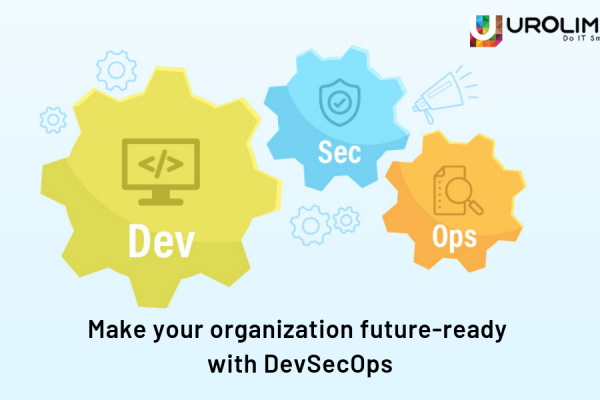
DevSecOps is much more than a trendsetter; rather, it’s about the cultural and technical evolution of an organization. It extends the use of DevOps principles to “shift left” on security, catching threats as early in the software development life cycle as possible rather than as an afterthought. This shared responsibility model unites developers, operations, and security pros around a common goal: building resilient applications without sacrificing velocity.
Think of it as a high-speed assembly line with quality assurance in real-time, not at the end. It entails automated tests, collaboration tools, and continuous monitoring to keep your releases flowing while minimizing risks.
Why Agility and Security Balancing Matters Now More Than Ever
The stakes couldn’t be any higher. Agile methodologies promise rapid and effective iterations thus helping faster time to market-but without solid security framework, the probability for inviting really expensive breaches-think data leaks that erode customer trust or compliance fines that hit the bottom line. Conversely, overly rigid security gates have its risk as well- bottlenecking innovation, frustrating teams, and delaying launches.
A DevSecOps workflow does all this in a balanced way: speeding up time-to-market by as much as 50%, reducing remediation costs by finding issues earlier, and creating harmony across teams. For businesses, this translates to competitive edges like faster feature rollouts and fortified defenses and in the case of the tech teams, it’s the freedom to innovate without the fear of “security theater” slowing you down.
Step 1: Embed Security from Day One – Shift Left
Balance is all about prevention rather than reacting or fixing a worse scenario . By integrating security from the early point of engineering, right from sprint planning and backlog grooming, you can catch issues or understand its probabilities beforehand and take defense against it.
Involve the right voices early: Bring security experts into ideation sessions to infuse threat modeling using simple frameworks like STRIDE (Spoofing, Tampering, Repudiation, Information Disclosure, Denial of Service, Elevation of Privilege). It’s not about adding more meetings; it’s about smarter planning to save hours downstream.
Use secure coding best practices by default: Implement input validation, least privilege access, and safe failure error handling. Automate these using tools like SonarQube, alerting in the IDE while you type, making security a habit.
Step 2: Automate Checks in Your CI/CD Pipeline
Manual security reviews are so outdated- as it may find itself incapable with the speed and feature complexities. Here automation is the solution that embed scanning into continuous integration/continuous deployment (CI/CD) pipelines that enforce standards without human intervention.
Layer in multi-tool defenses by using Static Application Security Testing for code analysis, Dynamic Application Security Testing for runtime checks, and Software Composition Analysis to scan open-source dependencies. Integrate each of these into Jenkins, GitHub Actions, or GitLab for seamless runs on every commit.
Fail fast, learn faster: Establish thresholds that stop the build on high-severity issues, but then supplement that with a feedback loop-actionable alerts through Slack or Jira that explain why something failed and how to fix it.
Pro tip: In one enterprise rollout, automating these checks cut deployment delays from days down to minutes, proving security can be a speed booster, not a brake. If this is new to your teams, start with pre-commit hooks to nip low-hanging fruit in the bud.
Step 3: Lock Down Infrastructure with Code-IaC Mastery
Your infrastructure is the backbone of your app, and should be treated as code. This helps make your security just as versionable and auditable as your features. Infrastructure as Code (IaC) tools let you define environments declaratively, reducing drift and human error.
Policy as code for consistency: Utilize Terraform or Pulumi to codify access controls, then leverage Open Policy Agent (OPA) or Sentinel for their enforcement. This will make sure everything that spins up is created to standard, including things like RBAC.
Secrets and compliance first: Use Vault or AWS Secrets Manager for credential handling, including integrating in scanners to validate against frameworks like NIST or GDPR.
Business angle: This step fortifies your stack and smoothes audits, making compliance from a chore into a checkbox. One of the global e-commerce clients didn’t have any configuration-related breaches after the implementation, scaling deployments 3x faster.
Step 4: Monitor Relentlessly and Iterate
Balance is not a one-time setup; it’s a feedback loop. Continuous monitoring turns your workflow into a living system able to adapt in real-time against new threats.
Eyes everywhere: Implement SIEM solutions like Splunk or ELK Stack for tracking the log as well as to identify the anomaly which would help in triggering automated responses with the help of the SOAR platform.
Test like you mean it: Run regular penetration testing, chaos engineering drills, and compliance scans. Use metrics to refine- track MTTD and MTTR for ongoing wins.
Unique tip: Treat security metrics like velocity KPIs and mind to share them in retrospectives to build a culture of collective ownership. Organizations that have done that report 30% fewer incidents annually, proving vigilance pays dividends.
Overcoming Common Obstacles Successfully
No transformation is without bumps. Tool sprawl? Centralize with platforms like Snyk or Prisma Cloud. If the case is of skill gaps, consider rolling out bite-sized training via workshops or IDE plugins. In ase of Cultural pushback, frame security as an ally, not an adversary. By addressing these proactively, you will avoid the pitfalls that derail 70% of DevSecOps initiatives.
Conclusion:
Mastering the balance between agility and security in DevSecOps isn’t just an ask rather it’s an essential element for thriving in a threat-filled world. By following these four steps-early integration, pipeline automation, IaC enforcement, and endless monitoring through the collaboration of DevSecOps Consulting Services provider you’ll empower your teams to deliver value swiftly and safely.